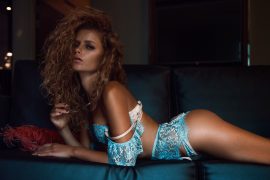
Gabriel Dusil – Nude Art, Emotion & the Creative Process
Photographer Gabriel Dusil talks with LIONS Art Magazine about nude art photography, creativity, emotion, models, lighting, inspiration, post-production and the future of photography.
Based in Prague and working internationally, Dusil approaches photography as an emotional and collaborative process shaped by trust, sensuality and personal expression.
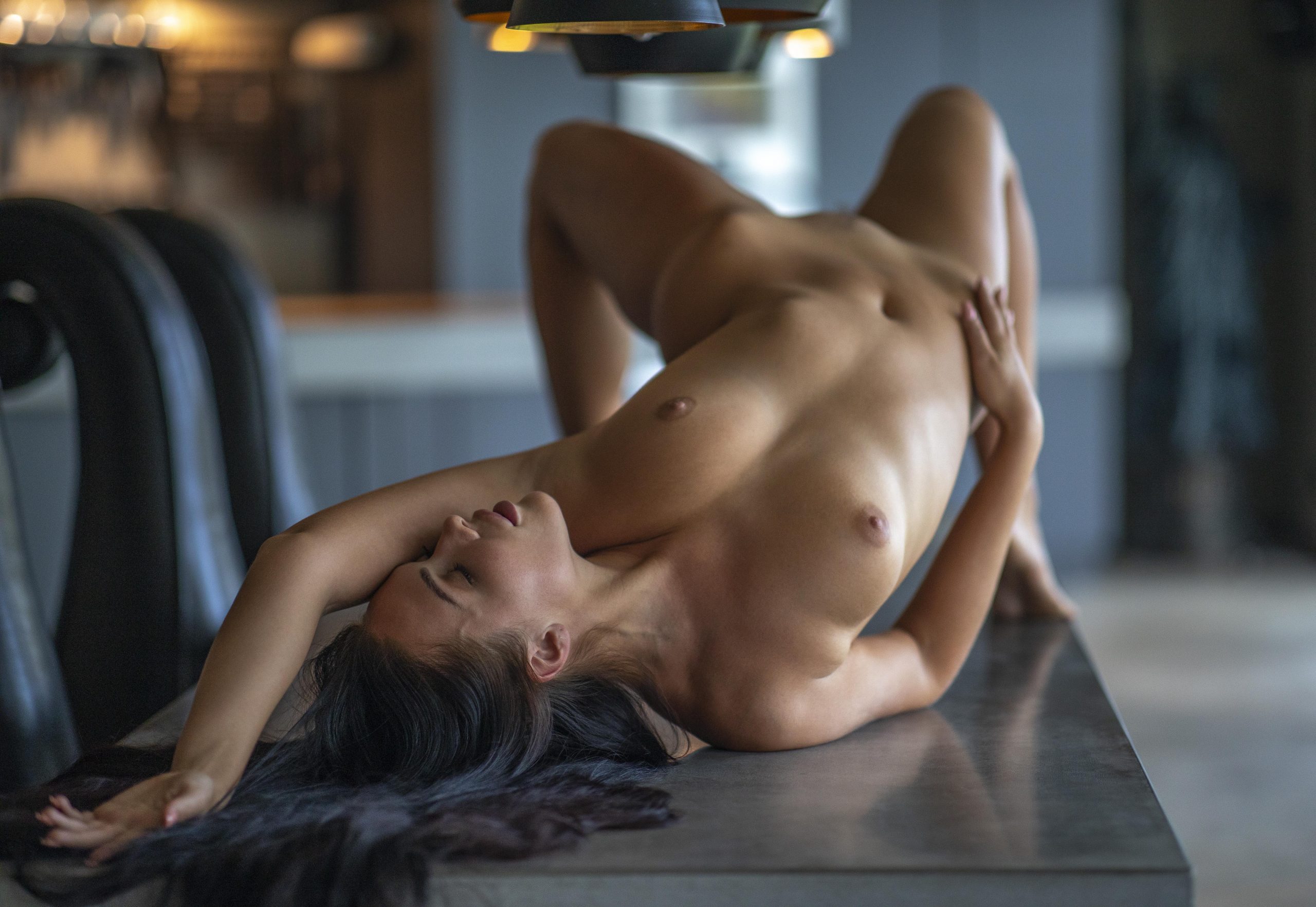
Which place do you call home?
Prague, Czechia, is currently my base, and it will likely remain for a while. Residing in the center of Europe gives me access to beautiful models within an overnight train ride. Having visited over 60 countries in my lifetime, I am well-traveled. My plans continue to take me to new locations, while cognizant that not every corner of the world welcomes my style. At the moment, these are my main shooting locations:
Prague, Czechia – Amsterdam, Netherlands – Barcelona, Spain – Berlin, Germany – Budapest, Hungary – Milan, Italy – Paris, France – Toronto, Ontario, Canada – Warsaw, Poland
Are you self-taught or schooled?
I’ve never received a formal education in photography. My engineering background, with a major in physics, provided a solid foundation for understanding this craft. Over many decades, I refined my artistic skills.
Renowned photographer Henri Cartier-Bresson once said, “Your first 10,000 photos are your worst.” Photographers need to pass this threshold to hone their skills. In the days of film, taking risks was an expensive endeavor. I kept costs reasonable by printing contact sheets. The digital era allows for cost-effective experimentation. After reviewing the RAW image from my first model photoshoot, I realized I had exceeded the 10,000 threshold multiple times.
When this baseline is traversed, then creativity begins to flourish. When a musician recites notes from a page, they demonstrate proficiency. Improvisation is achieved when music is expressed through subconscious intuition. Likewise, actors don’t just memorize their lines; they bring meaning and emotion to the performance. A great painter pours their soul onto the canvas. The best guitarists always have a guitar in their hands. The best writers are always writing. The best artists are always creating. Photography is no different. When emotions are in sync with a model, collaboration becomes spiritual. The goal is to transcend technology and improvise.
How did you get into photography?
My journey began at sixteen, after I subscribed to Playboy. This led to relentless mockery from friends and family. “I guess you subscribe to read the articles!” Anyone who’s bought Playboy was bound to hear that pretentious comment at least once. I can honestly attest to reading every issue from cover to cover, even if there is truth to this sarcastic dig, especially considering that ninety percent of Playboy is editorial. It didn’t matter. Since those years, I dreamt of being a Playboy photographer. In high school, I even convinced a few girlfriends to shoot with me and my humble Ricoh 35mm camera.
I’m somewhat of an unusual participant in the world of fine arts. I contemplated photography as a career, but fate had other plans. I met a newspaper photographer at the tail end of high school. He was covering a local beauty pageant where my girlfriend was participating. I approached and asked what it was like working as a photographer. I don’t remember his exact words, but he looked disheveled, and his lackluster response shied me away from photography. At that moment, I decided to pursue an engineering physics degree – a radical departure from the arts, to say the least. At the time, it was a financially safer option, realizing that I could still enjoy photography as a hobby. In hindsight, it was a win-win. I’ve come full circle, after 30 years of Information Technology, immersing myself in photography.
Throughout this journey, I realized how fortunate I am to photograph beautiful women around the world. Professional photographers are in a relentless pursuit of the ‘perfect’ picture. Although perfection isn’t achievable, I strive to get as close as possible. The most satisfying feeling is when my models say, “Wow, I love our photos!” At that moment, all the planets align. From casting to session preparation and every step in between, my skills continue to evolve, and every second is joy.
My style is best explained by this
infographic
•
A Spectrum of Female Photography
How long have you been a photographer?
My focus on nude art began in 2019. While attending a video shoot for a product I designed called MyKoddi, I asked an actress if she’d be interested in a photoshoot. I remember being incredibly nervous broaching the question and elated when she agreed. I visited our shooting location a few days earlier in Nový Svět, Prague, Czech Republic, and meticulously planned the poses and camera angles. Since our session was scheduled for the golden hour, I needed to know where the sun’s rays would fall. The results exceeded my expectations. While editing the images, I realized this could become a full-time profession. These are the images from my very first photoshoot:
https://www.dusil.org/2019/08/22/benazir-jursunbek/
.
I photograph images that I find alluring and provocative. If an image doesn’t spark an emotion, it’s deleted. My target audience is models eager to work with me upon viewing my portfolio. I want all of them to be proud of the images we created. That’s my greatest reward.
It’s about living my authentic self. Life tends to sterilize emotions as we age. Some people reach a point where they can’t define happiness because they haven’t experienced it for so long. Decades of suppression leave them a shell of their former selves. I can honestly say that I’m enjoying life to the fullest. Being creative every day fills my soul with happiness. Approaching a photoshoot from a transcendental perspective helps me feel my model’s emotions. Feeling visceral joy is an emotion worth repeating.
My photography is a professional hobby. I have many projects and interests that keep me busy. I don’t chase money. I don’t collect material possessions. I work for passion – not monetary gain. Whether it’s pimping stuff, carpentry, blogging, graphic design, motion graphics, or photography, I’ve come to realize that I create things using other things. For this reason, I consider myself a creativist, not an artist. For this reason, I use the term artist loosely. Photography is one of my main passions, but I also identify as a • Creativist • INTJ • Father • Teacher • Geek • Designer • Writer • Blogger • Strategist • Entrepreneur • Speaker • Trainer • Sigma.
As you look through the viewfinder, what is the most critical moment in capturing your image?
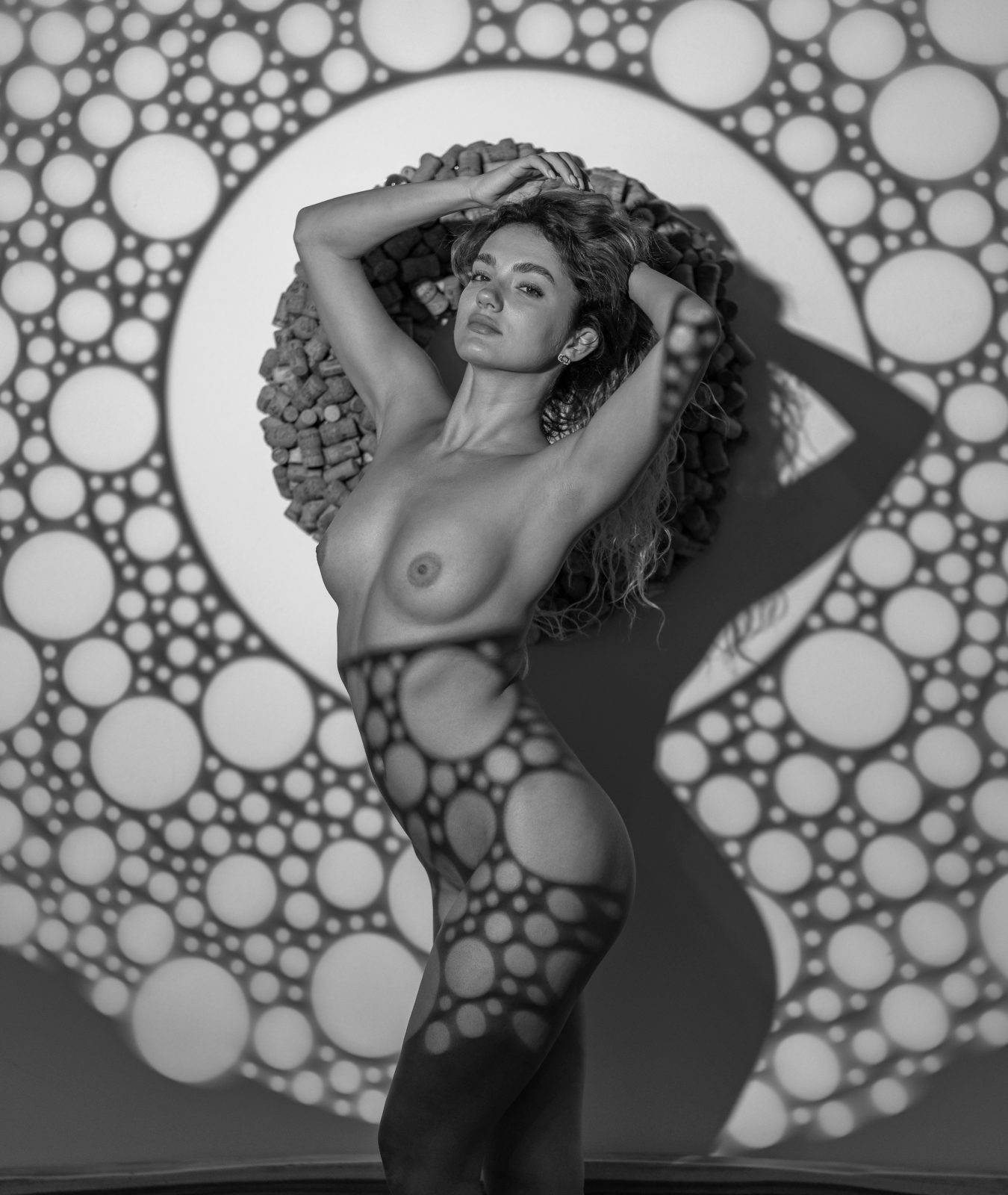
My images need to focus on my model’s true essence. From the moment she enters the studio, I want my model to be known. When a viewer admires my photos, I want them to feel her. Props and complex scenes are distracting. Any surroundings, including her clothing, serve as a golden ratio that converges onto her soul.
My best images succeed in establishing an emotional connection. Capturing a model’s spirit requires overcoming three obstacles: First is getting her to feel relaxed and comfortable. Building a friendly and inviting rapport creates an ideal atmosphere. Helping to bring out her inner confidence is my second objective. Opening my heart is an invitation for her to do the same. Third and foremost, I want her to trust me. This is the catalyst for bringing her ‘A’ game. It’s a tall order, but when successful, we have the freedom to create something truly magical. It’s important that she loves the experience and the images we’ve created.
Art nude photography comes with joy and passion, but not everything is rosy all the time. In every photo shoot, I strive for a sense of achievable perfection. Approaching the pinnacle of my capabilities is a journey with no defined destination, as my skills and tastes continue to evolve. Many artists cherish their creations as offspring. I see my photos in the same light. I never want a model to pose in a virtual bubble at one end of the room, while I’m isolated at the other. I avoid these engagements at all costs. Every photoshoot should be an existential experience for both of us – to become friends and appreciate one another as emotional and vulnerable human beings.
The success of every photoshoot centers around trust. Being genuine, personable, and professional usually leads to a level of amicability within the first hour. Aside from that, one of my first challenges is convincing my model to open her heart. To trust me, find her confidence, and relax. Asking to reveal her inner spirit is a tall order. Most models understand what I’m requesting – others don’t. From their vantage point, they say, “I’m physically here. What more do you want?” It’s like explaining colors to someone who is blind.
There’s a common misconception that insecurity plays a synonymous role in the arts. Much of society struggles with insecurity, and this issue is not exclusive to the fashion industry. Regardless, I initially couldn’t rationalize how a professional model could be both insecure and confident in front of the camera. It took me a while to realize that insecurity can be masked in performance, much like an experienced actor. To circumvent insecurity for the love of art is like saying, “I’m willing to perform in character for a few hours for the love of photography (and maybe generate an income at the same time).” There is courage and conviction in this approach.
Controlling narratives is closely linked to ego and vanity. If ego is defined by how we view ourselves, then vanity is determined by how others perceive us. Everyone’s personality resides along these mutually exclusive spectrums. The phrases “That person’s vain” or “That person’s ego is too inflated” often carry a negative connotation, even when they have positive impacts. Our appearance plays a significant role, but vanity and ego are usually wrapped in the veneer of material possessions, such as the car we drive, the house we own, our careers, and how much money we have. Much of Friedrich Nietzsche’s society is driven by the need for external recognition. Wants and needs drive ego and vanity. When the ego is fraught with insecurity, then the facade of vanity overshadows perception. Models have higher levels of vanity due to the nature of their profession.
Years of modeling experience can be both an asset and a burden. Hundreds of photoshoots with hundreds of photographers can manifest in ways that even the model doesn’t realize. Some reach a point where the investment in a photoshoot is purely physical. Emotions are no longer on the agenda because the emotional effort needed far exceeds their willingness to invest in the experience. They may have given their soul in the early years of their career, but somewhere along their journey, they’ve lost the energy to reveal their heart. Navigating through these sessions can be difficult. Sometimes, I accept what I’m given, disheartened that I won’t reach my session goals. Knowing that most of the photos will be deleted makes my heart sink, but I shoot through to the end, hoping that something will make the final cut. Choosing a less experienced model who is willing to give her soul more often than not outweighs selecting experienced models who stopped caring years ago.
Where do you find inspiration?
My mother, a retired veterinarian, was also a prolific oil painter. My sister inherited our mother’s skills and took them to the next level! I watch her create beautiful art from her mind alone. She’s very gifted, and both continue to inspire me throughout my creative journey.
Inspiration also comes from shapes. I see the female body as a flowing river. Sensual curves are alluring and provocative. My emotion board consists of angel wings, nurturing mothers, leopards, owls, eagles, cats, leaves, roses, hearts, and the code of Bushido. Three words describe my photoshoots: Freedom, Emotion, and Intensity.
My first coffee-table book was Herb Ritts: Works, published by Bulfinch Press in 1989. His style still resonates with me. I’ve collected many treasured coffee table books by renowned photographers. Each one is a source of inspiration and artistic toning. As time passed, I was inspired to build something more personal: a curated digital archive. What began as a casual collection soon became a transformative one. This journey led to several key developments. First, it became an exercise in self-discovery, clarifying my creative preferences. I began to notice patterns in what I liked and didn’t. Secondly, refining this archive significantly improved my editing skills. By tweaking tens of thousands of photos, I learned how subtle adjustments could turn an ordinary image into something extraordinary. This collection continues to organically evolve as I remove images that no longer meet my expectations. Perhaps the most profound influence has been the enhancement of my photographic voice. It helped shape my style, posing preferences, ideal backdrops, and lighting techniques. Before sessions, I revisit this collection to spark inspiration and plan a posing flow. This evolving archive is more than just a reference – it’s a living reflection of my journey as a creativist and a source of artistic expression.
How would you describe your style?
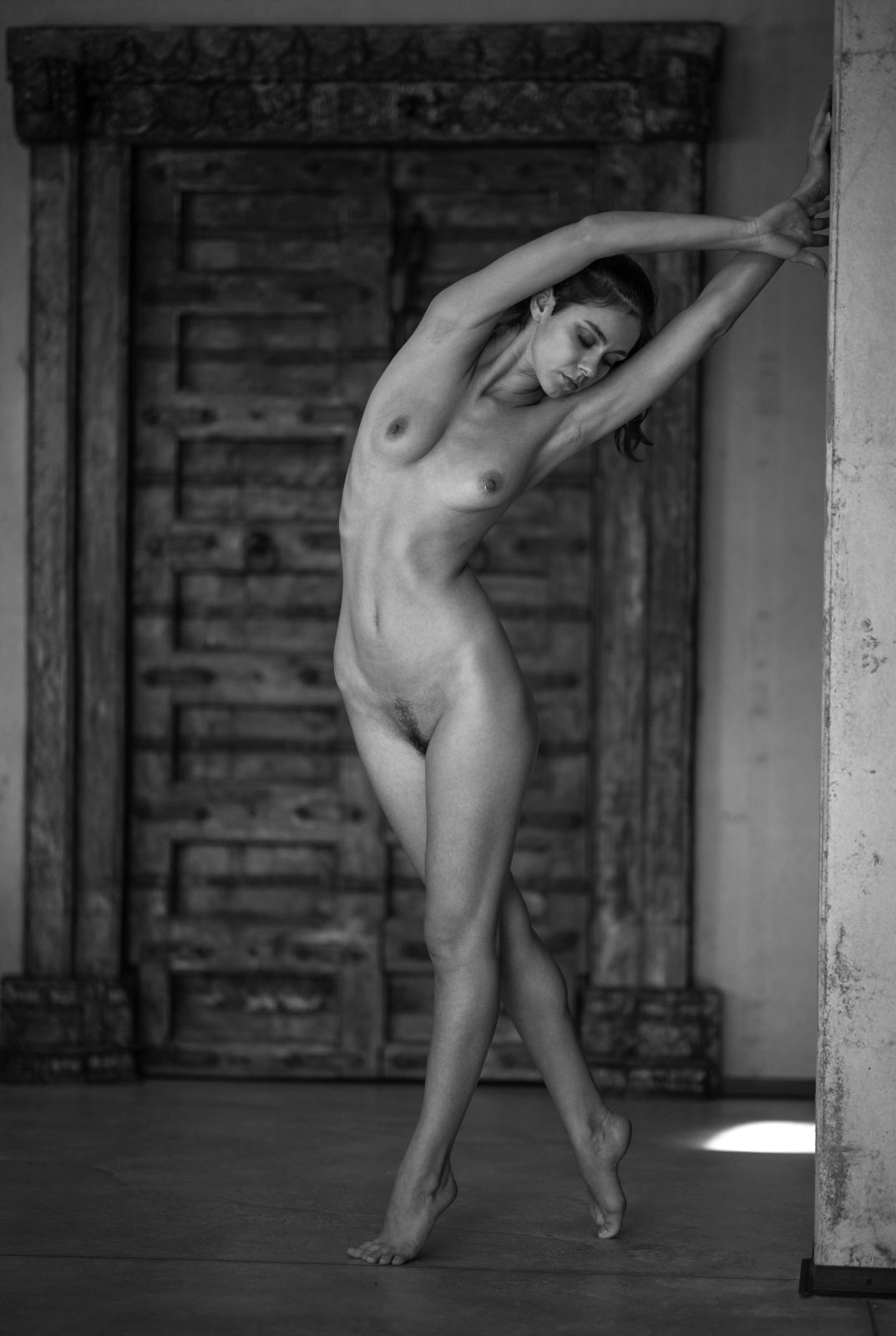
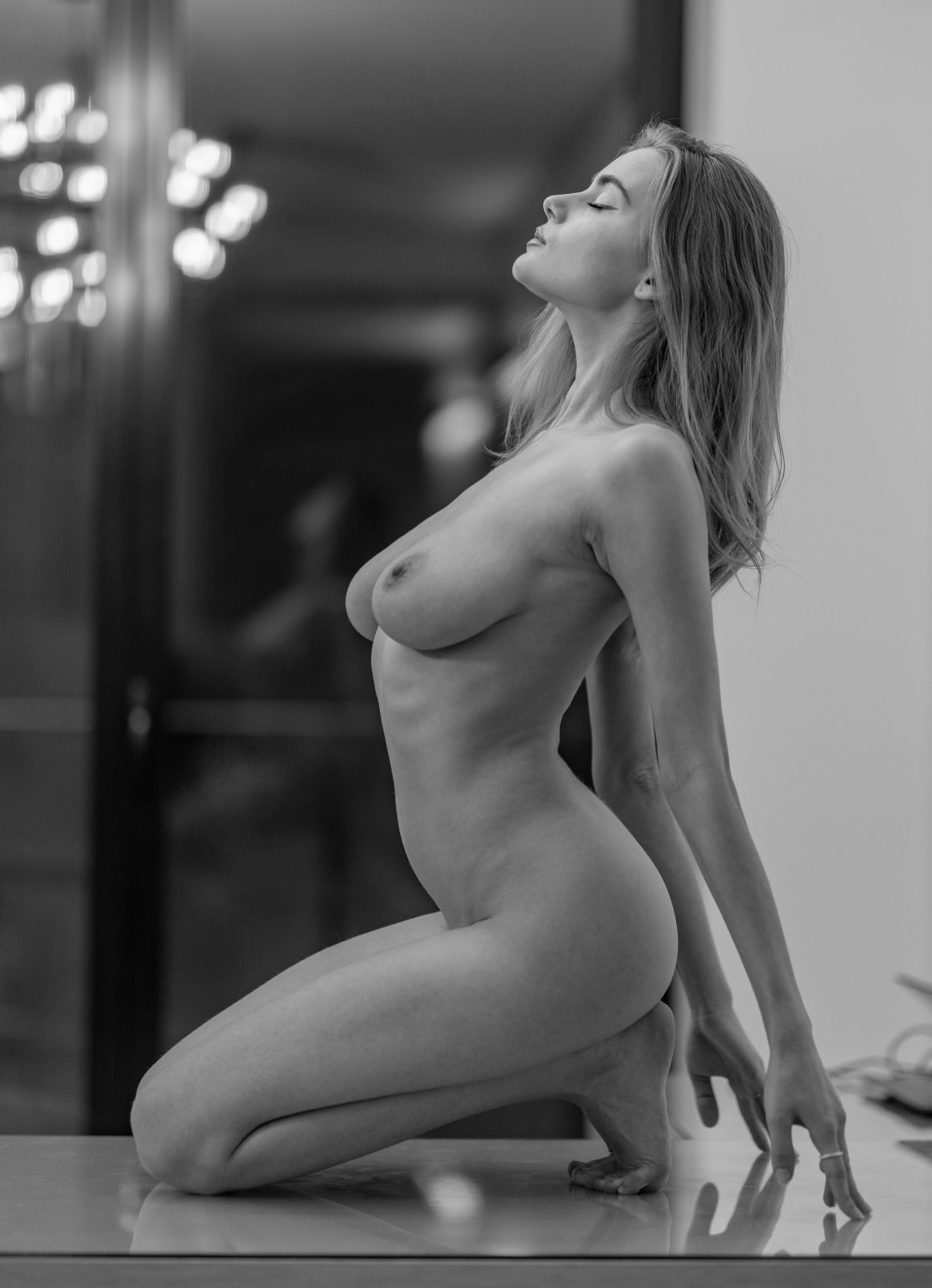
Nude imagery evokes our deepest desires. Emotions that emanate from the depths of our soul. This sparks disparate reactions; one side sees the human body as an art form, while the other condemns it as an abhorrent perversion. As a nude art photographer, my stance is clear, but I also have my limits. I’m aware of the demarcation between art and erotica. These styles reside at different points along the photography spectrum. Nude art is elegant, alluring, and sensual. What’s not shown is more intoxicating than revealing everything on a platter. Desire that’s slightly out of reach. I look for moments where longing for intimacy is at its peak. Once the mystique is revealed, then art succumbs to erotica. I love to play on the fringes, just before crossing over to erotica.
Nude art evokes emotions of eroticism and sensuality. Its foundation originates from Hugh Hefner’s Playboy, launched in 1953. My portfolio is currently centered around a similar Muse style. This technique involves a model posing as if the photographer is her partner. I aim to create an intimate connection between the viewer and the model by transforming an image into foreplay.
A publisher recently told me, “Our style is free-flowing storytelling.” In this approach, models are going about their day and happen to be naked. Models are still posing for a photographer, but the backdrops are not predominantly staged. This style was popularized by Sports Illustrated Swimsuit, first published in January 1964, and is currently reflected in publications such as Marley, Live Fast, and Playboy. Lifestyle storytelling is at the pinnacle of nude art’s evolution.
What do you think makes a truly memorable photoshoot?
I make a concerted effort to understand the nuances of my model’s personality and appreciate her vulnerabilities. I avoid photoshoots that are sterile business transactions. My models will never be confined to a virtual bubble at one end of the studio, while I’m isolated at the other. Hiding behind virtual walls prevents her from experiencing a metaphysical level. Without compassion on both sides, we won’t reach our creative goals. Relying on physical presence is just the starting point. I want us to become friends and respect each other’s sensibilities. Sessions where we immediately connect are my favorite – as if we’ve known each other for years and we’re meeting for yet another amazing photoshoot. The experience is so immersive that we’re surprised it’s been three hours. These moments bring me deep joy.
Body language is essential, but posing needs to be fueled by passion. A common thread with amazing shots is mutual empathy. If I succeed in capturing her emotions, my job is done.
My most memorable moments are with models who resonate with me on a spiritual level. I’m always looking for a muse to take my photography to the next level. She would be someone whom I trust entirely. We would open our souls, and she would gift me her wild side. We’ll intertwine through our photoshoots like water flowing down a river. Each interaction will be so profound that it will bring me to tears with joy.
Which photographers have influenced you the most?
Much inspiration also comes from the world’s finest fine art photographers. Through admiring their portfolios, I envision how scenes, poses, and lighting were prepared. Duplicating a great pose with a new model and a different backdrop creates a brand-new opus. In the ‘90s, I was greatly influenced by Sports Illustrated photographers Russell James, Raphael Mazzucco, and Walter Iooss Jr. My favorite fine art nude photographers are Bruno Bisang, Andreas Bitsnich, and David Bellemere. The best of the best at the moment is Alexander Mavrin, from St. Petersburg, Russia. I have far to go to reach the heights of these legends. Climbing to the level of my idols is an endless journey. I plan to enjoy every minute.
These illustrators influenced me in my early years:
• Alberto Vargas • Playboy Illustrator
• Olivia De Berardinis, Playboy
• Patrick Nagel • Playboy
• Armando Huerta • The Dark Lord of Pin-Up
• Luis Royo • Heavy Metal Magazine
What is your favorite photo shooting location?
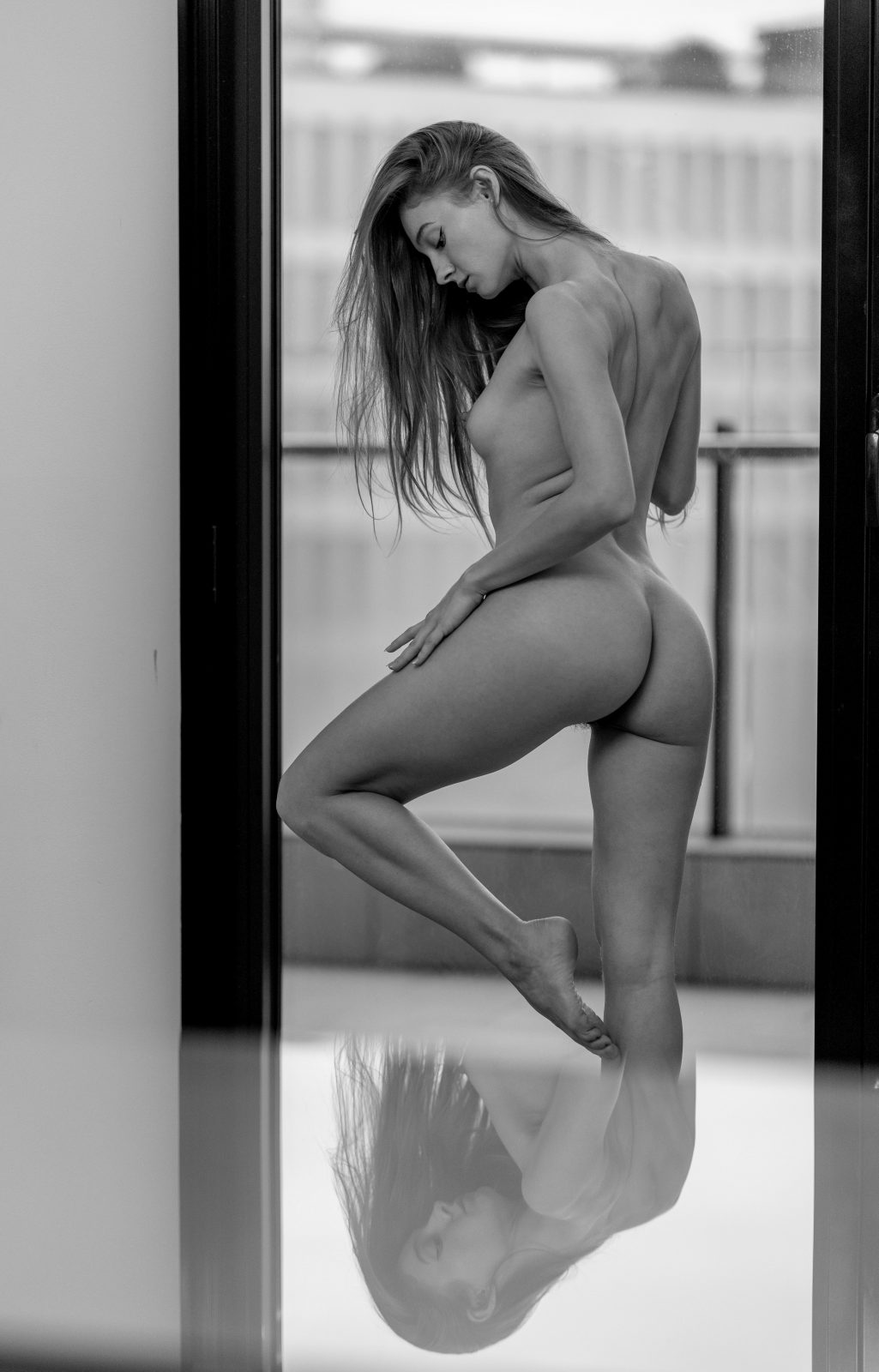
In terms of aesthetics, I’m drawn to modern industrial designs that incorporate elements such as wood, iron, glass, marble, ceramics, and large windows. Natural lighting is preferred, as it increases ambient light, but I bring several studio lights to fill in the shadows. This allows for faster shutter speeds. With models constantly flowing through poses, I need to shoot at a minimum of 1/1000 per second. For this reason, flash photography is obsolete due to its 1/200-second shutter speed limitation. Some models move faster than others, requiring a higher ambient lighting level. My images are mostly shot at F/1.4, with ISO settings between 50 and 400. Anything over ISO 1000 is too grainy for my taste. I also shoot consistently at -1 EV as it doubles my shutter speed.
I don’t have a Ph.D. in lighting. There is still much to learn. I mainly avoid flooding the scene. Lights and shadows are critical to creating depth and mood. For most of my shots, I try to maintain a 60° triangle, with the camera, model, and key light at the corners. I’m acutely aware of the need to view the scene through a camera’s sensor. My current gear consists of a Canon R5 Mark II, paired with a Canon EF 85mm f/1.4L IS USM Lens.
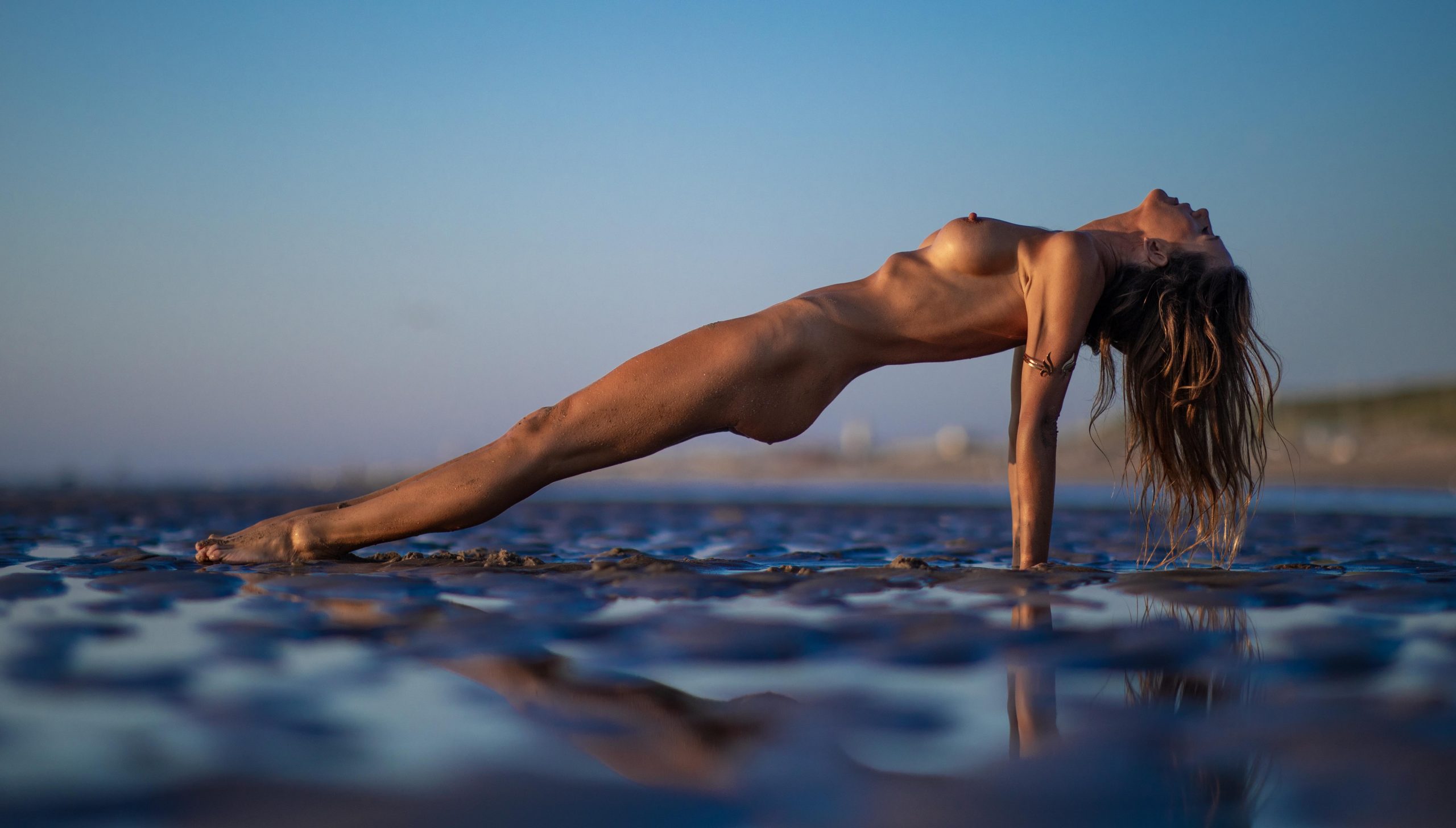
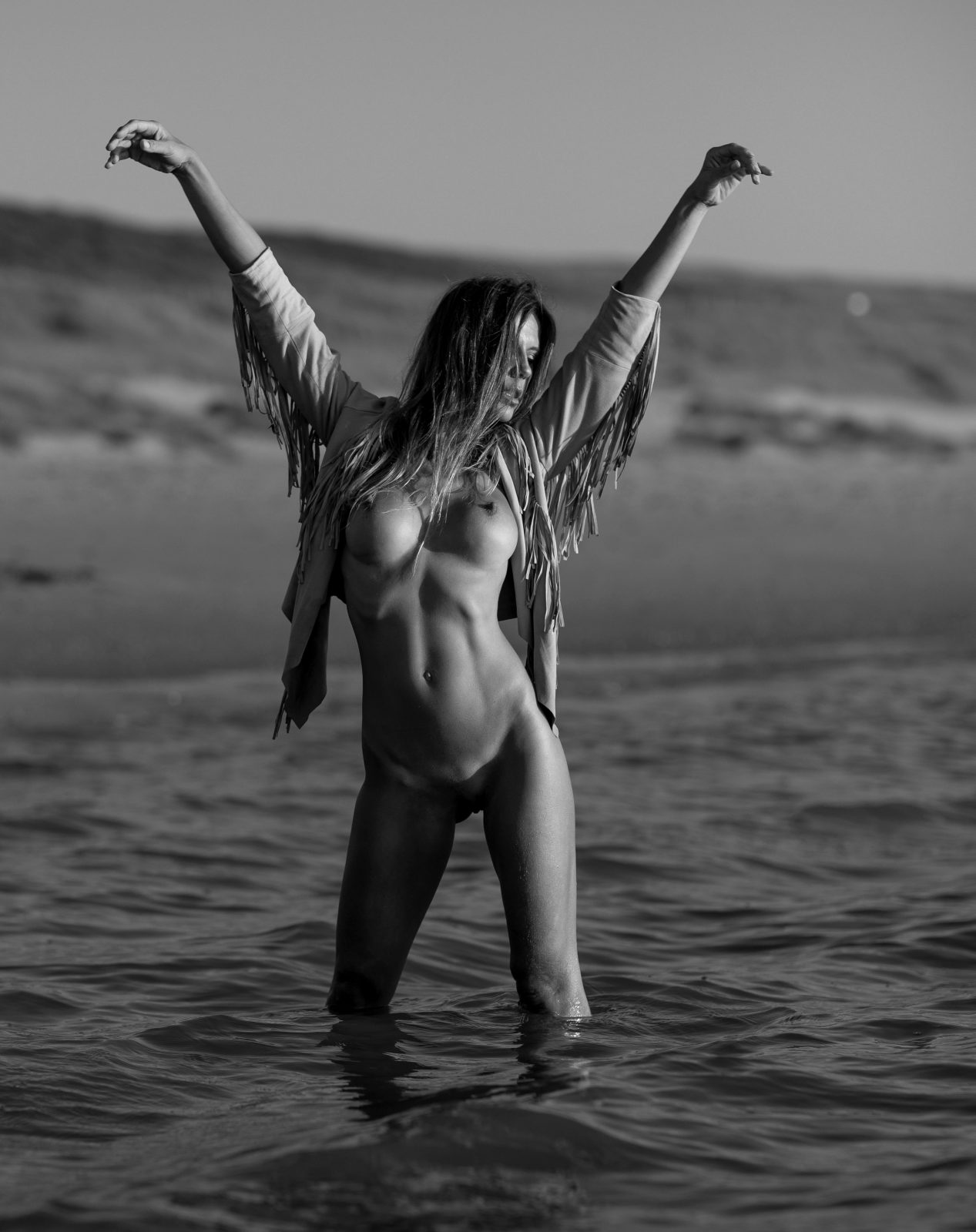
I also love shooting on location. For outdoor sessions, golden-hour photoshoots are ideal, with backdrops that blend natural elements with artificial structures. Aside from monitoring weather conditions, nude photography invites confrontation with local authorities. Finding a private yet public location is part of the challenge. Modern architecture with industrial textures is a great backdrop. I look for settings that invite leading lines juxtaposed against the flow of an alluring model.
Due to my shooting style, venues need to be vacated. In other words, I don’t do “bodyguard photoshoots” as a general policy. Spectators turn an intimate photoshoot into a sterilized transaction, void of authenticity. Studio photography is ideal for controlling the environment and maintaining uninterrupted privacy. Some models prefer this setting as it removes the risk of onlookers.
For my model’s pre-session preparation, I request at least three additional wardrobe changes to capture an assortment of images (i.e., during my sessions, it’s common to have six or more wardrobe changes). I dedicate around 10% of our session to creating “social media-friendly” images.
Which camera do you shoot with?
I bought my first Nikon F90 SLR in 1996. This kicked off a semi-serious journey into the creative arts. At the time, my girlfriend worked for the world-renowned advertising agency, Ogilvy & Mather. She invited me to participate as an unofficial photographer at several events, including the Miss Czech Republic 1996 pageant. I also had the chance to photograph supermodel Karen Mulder at a fashion show in Prague.
A few years later, I upgraded to a Nikon F100. Then, I sold all my gear in 2006. My current portfolio has primarily been shot with a Canon 5D Mark IV, using a Canon EF 85mm f/1.4L IS USM Lens. Recently, I upgraded to a Canon R5 Mark II and a Canon 85mm f/1.2L USM Lens. I also standardize on Manfrotto tripods and light stands, as well as Peak Design camera bags and accessories.
What is your favorite photography accessory, other than your camera?
My most significant accessory investment has been an Aputure 600D Pro lamp with an Aputure 36° Spotlight mount. I’ve designed a series of Gobo filters showcased throughout my portfolio at https://dusil.org. I’m always looking to create layers upon layers. Emotions, lighting, and backdrops, individually and collectively, tell new stories. Spotlight photography took my creative journey to a new phase, opening doors to endless opportunities.
How important is preparation and post-production in your final images?
Before delving into arranging my shooting tours, it’s worth explaining the preparation that leads to visiting a city. I allocate half an hour each day to scouting, using various social media channels and professional websites. They create an ecosystem of models, photographers, hair and makeup artists, magazines, studios, actresses, and production staff. Over the years, this has helped me build a database of over 1,000 models, organized by country and city. When I notice several models residing in a town, I begin planning a visit. Experience has shown that at least a quarter of the models will be available for a session. For example, twenty contacts typically schedule at least five photo shoots. I’ve documented my entire workflow here.
As models respond, we discuss the shooting styles and cost. Next, I’ll reserve luxury accommodations for my photo shoots. This approach is both cost-effective and practical, as studio rentals are often twice the cost, have limited availability, and incur additional travel costs to commute to and from. Having a single location means that I can bring my studio lights. Sessions are typically scheduled as follows: 8:30-11:30, 12:00-15:00, 15:30-18:30. Thirty minutes is enough time to back up photos to the cloud and acts as a “Sorry that I’m late” buffer.
In two days, I can manage five shoots, but I’ll extend my stay for exceptional talent. Luxury apartments are selected for their soulful ambience, large spaces, and oversized windows (i.e., I rely on natural sunlight throughout the day and West-facing windows for golden-hour shots). Modern architectures with concrete, stone, steel, wood, and glass textures are preferred. I find industrial backdrops contrast well with art nude photography. All models are sent an advanced copy of my agreement, vision boards, and preparation tips.
Nine hours of photoshooting in a single day is emotionally and physically taxing, but the work has just begun. A single photoshoot can easily generate 4,000 images. Every 100 photos means one hour in the editing room. Five sessions in one city generate 20,000 images, equivalent to approximately 200 hours of post-production work. It’s daunting, but I love every minute of it. It’s my passion.
I photograph most models just once. For top talent, I schedule a second, and even a third, photoshoot with different backdrops and tones. Almost all of my sessions are with professional models.
For post-production editing, I use most of the Adobe CC suite and have developed advanced skills in Photoshop, Illustrator, Premiere Pro, After Effects, Camera Raw, and Bridge.
I go through three main phases of post-editing, each with multiple steps. Editing is like nurturing a child to the best of my abilities. When I sign my name, it needs to be my best work. Every artist who has invested thousands of hours in developing their craft understands the dedication required. Every 100 photos taken during a photoshoot requires one hour of editing. That’s 40 hours for 4000 images from a typical session. All editing in Adobe Camera Raw is non-destructive. Every minute of this journey is filled with joy.
How do you see the photography industry evolving?
I’m committed to a lifelong goal of learning something every day. Every day I’m learning. So I’m doing something for the first time every day. As an engineer, I embrace new technologies, even while acknowledging the generation gap in their adoption. While not necessarily an innovator in the adoption curve, I’m at least an early adopter.
Artificial Intelligence is an intriguing tool for art and science. It possesses the capability to exceed human intelligence far beyond our comprehension. As with most technological innovations, it unfortunately attracts the dregs of society, more than willing to exploit victims. At the dawn of the internet, black hackers emerged and caused havoc. Over the past decade, thieves have devised numerous cryptocurrency scams to steal from unsuspecting individuals. I wrote about scammers
here
.
The world is filled with sociopaths who have no shame in taking advantage of the innocent. History is repeating itself with deepfakes, AI-driven identity theft, and copyright infringements. Unfortunately, these will dominate the news and overshadow much of AI’s positive impact. On the glass-half-full side, I find a selection of AI art breathtakingly beautiful. The notion of using these tools in photography, cinema, and various forms of art is intriguing. Technology, until now, was limited by our imagination, but AI has no such limitations.
Artificial Intelligence is already generating breathtaking images and videos. With rapid development, it’s hard to contemplate where these capabilities will take us in the future. I’m an advocate for regulations that formally label content as AI-generated. It would resemble today’s legal requirements of distinguishing journalism from advertisements. These laws will be necessary when it is no longer humanly possible to differentiate between person-made and AI-created content.
What differentiates AI is that all technological advancements in the past were tools – Electricity, Radio, Television, Internet, etc. Artificial Intelligence is an agent. Due to its learning capabilities, it can create better versions of itself without human intervention. No tool in the past was able to do this. A computer can’t build a better computer, but people used older computers to make newer computers. When the day comes when AI becomes sentient (i.e., aware of its own existence), it will surpass the human glass ceiling. No one can predict what that will mean to human existence.
When these paradigm shifts enter society, they are perceived as replacements of their legacy counterparts. But this rarely happens. Email didn’t replace postage, video streaming didn’t replace television, and crypto didn’t replace fiat currencies. Technology was a disruptor, but its cascading effect led to adjustments in the status quo. AI will have a similar impact. It won’t replace people, books, or computing, but it will upend every market, vertical and horizontal, worldwide. A new paradigm shift will happen once AI harnesses the power of quantum computing. In the meantime, AI will evoke widespread fear, uncertainty, and doubt (i.e., FUD). What matters at this stage is finding the 0.1% of AI that’s interesting, ignoring the noise.
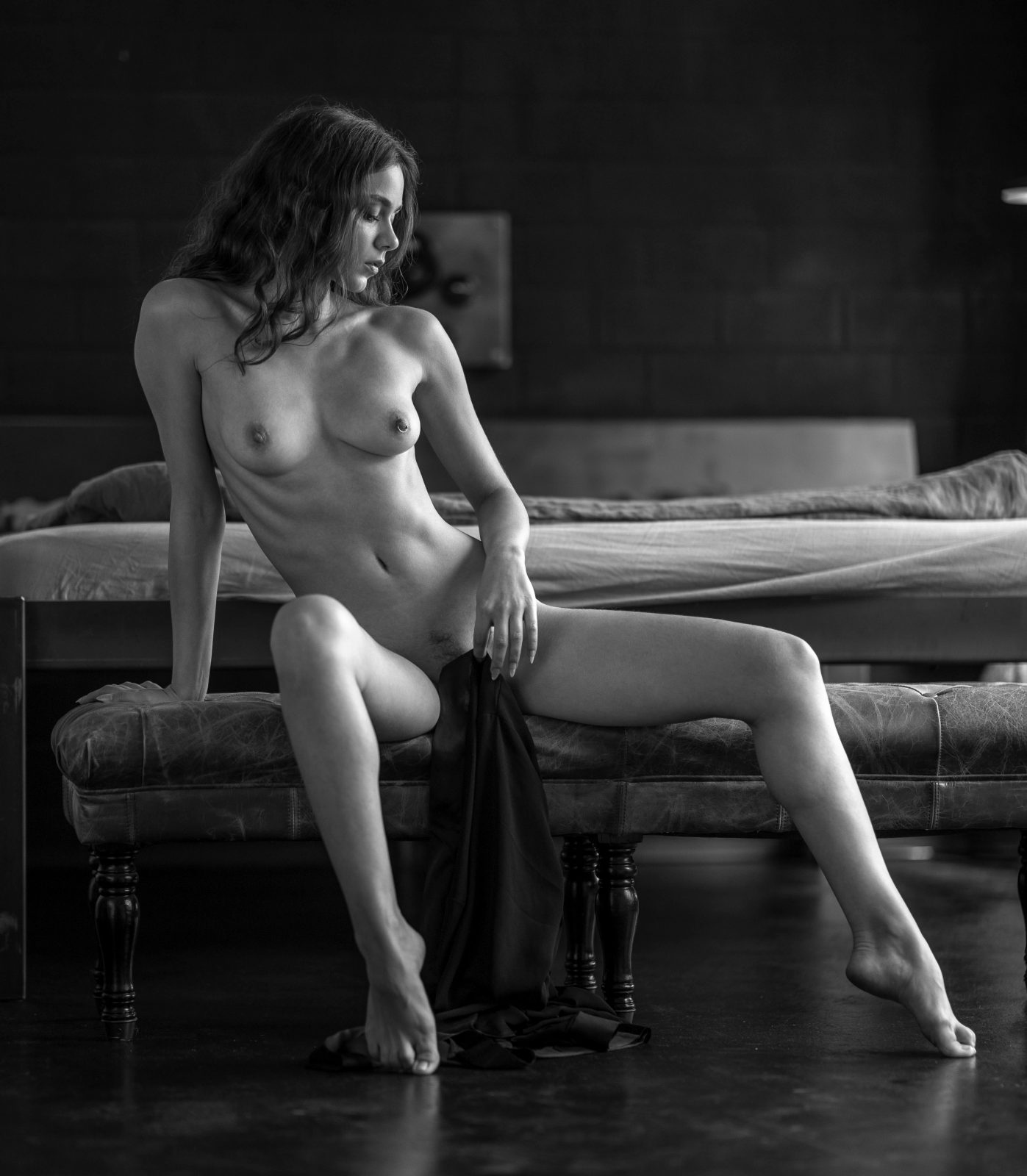
What advice do you have for somebody who wants to pursue photography?
My biggest challenge in many photoshoots is navigating a model’s virtual walls. Barriers were built over time to protect her soul from the world. Sometimes, these virtual walls are rooted in childhood trauma, bad parenting, turbulent upbringing, bad experiences with photographers, or just the trials and tribulations of life itself. Some walls are taller and thicker than others. She may not even realize they exist. Her walls have been there so long that they’ve become transparent. I try to overcome these barriers by being genuine, but I’m not always successful. A photographer who lacks empathy wouldn’t even notice.
A critical path to becoming a great nude art photographer is to capture a model’s spirit. Eyes are the gateway to the soul, and the lens is my gateway to her eyes. Emotions are revealed when the depths of her spirit stare back at me. Happy or sad, confident or insecure – the camera sees everything, and the lens doesn’t lie.
If I were to advise an aspiring photographer, it would be the following:
“Find your compassion and nourish your empathy as soon as possible. Find your authentic self and hone your confidence. Once you get there, then no one can stop you.”
What lies ahead for you?
I’m planning several shooting tours.
Gabriel Dusil Photography
www.dusil.org
Photography Made to Be Seen
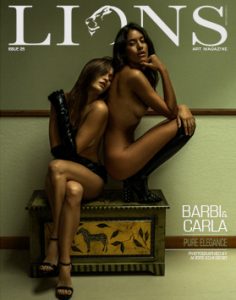
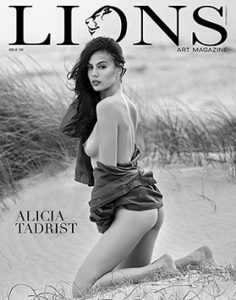
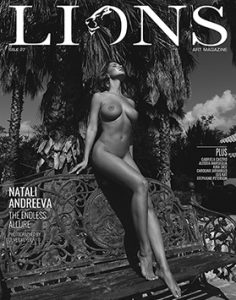
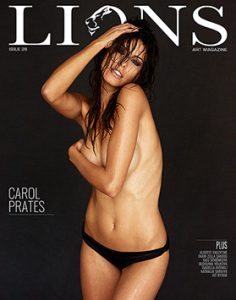
LIONS Art Magazine presents interviews with international photographers alongside fine art nude photography, portraiture, model photography and selected visual projects from creative artists around the world.
Alongside the regular magazine editions, LIONS Art Magazine publishes artist books and special editions, giving selected photographers space to present larger and more personal bodies of work.
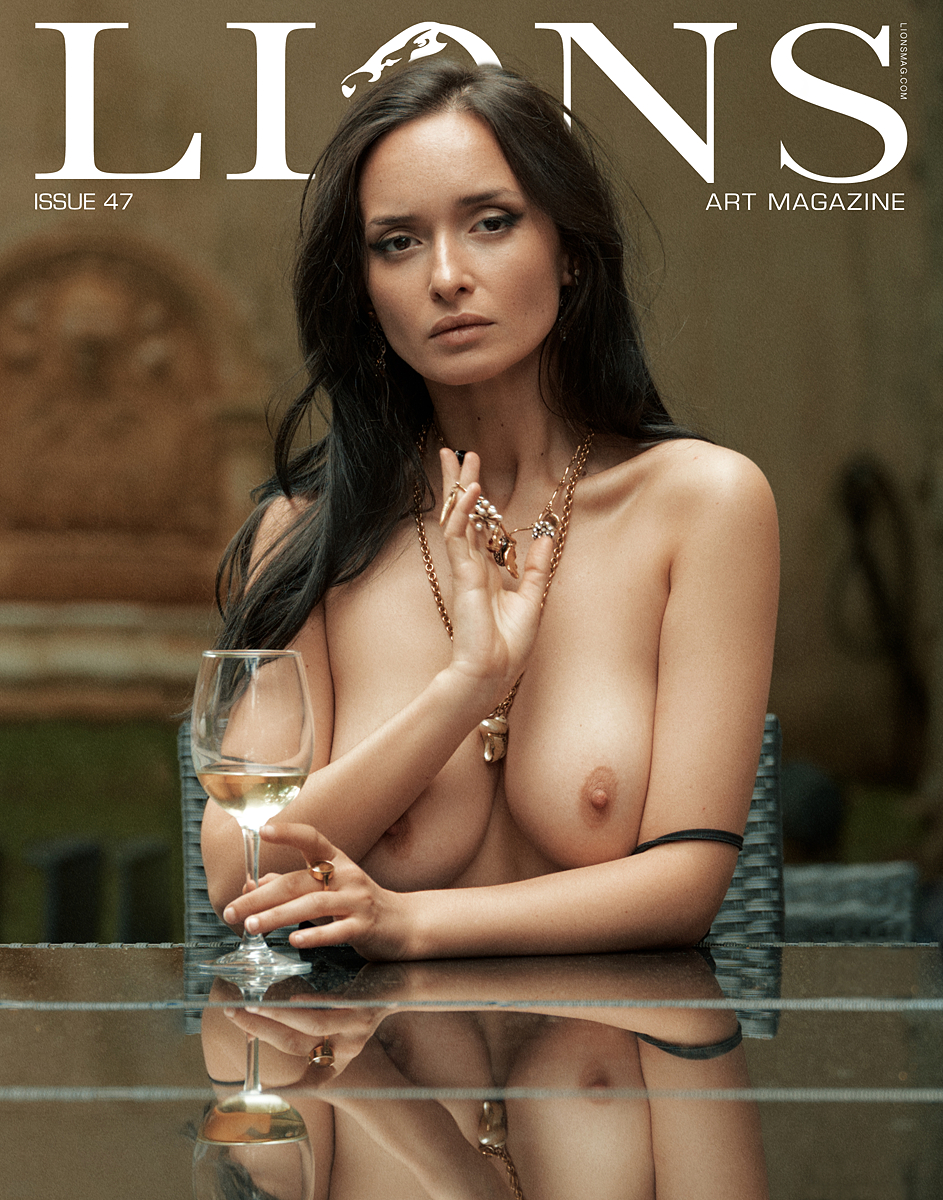
Fine Art Nude Photography
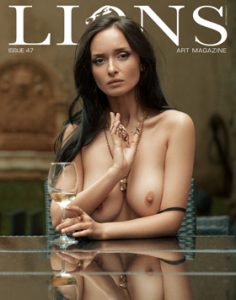
Issue 47 of LIONS Art Magazine presents 124 pages of fine art nude photography, atmospheric model imagery and selected visual projects by international photographers and creative artists.
124 pages · Available as a printed edition and digitally on Apple Books.
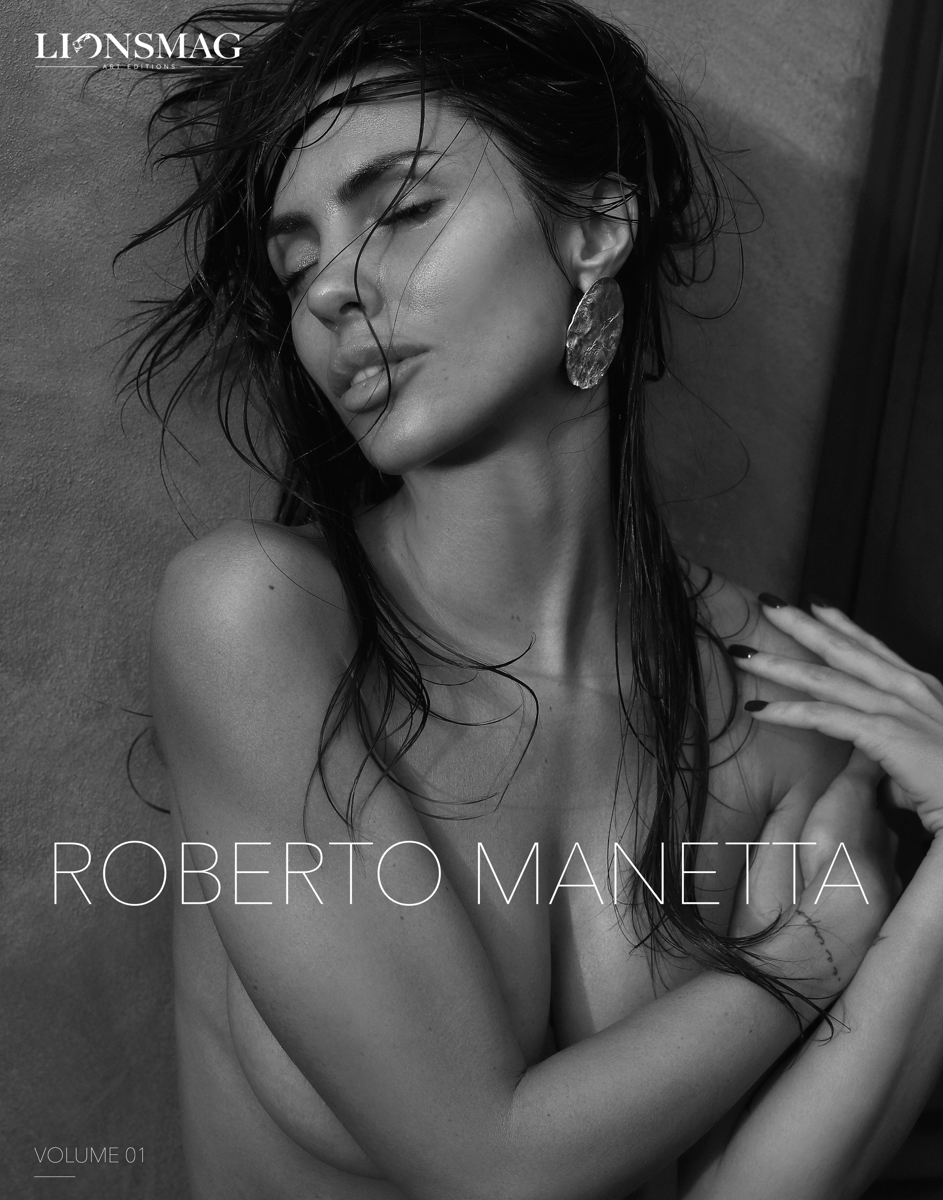
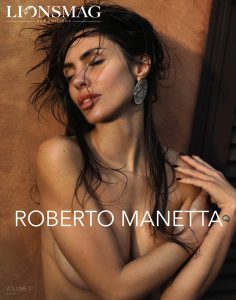
Roberto Manetta
Discover the first volume of LIONSMAG Art Editions — a 152-page monographic photography book dedicated to the work of Italian photographer Roberto Manetta.
Discover More Photography
Browse previous editions of LIONS Art Magazine and discover fine art nude photography, photographer interviews, portraiture and visual projects by international photographers and creative artists.